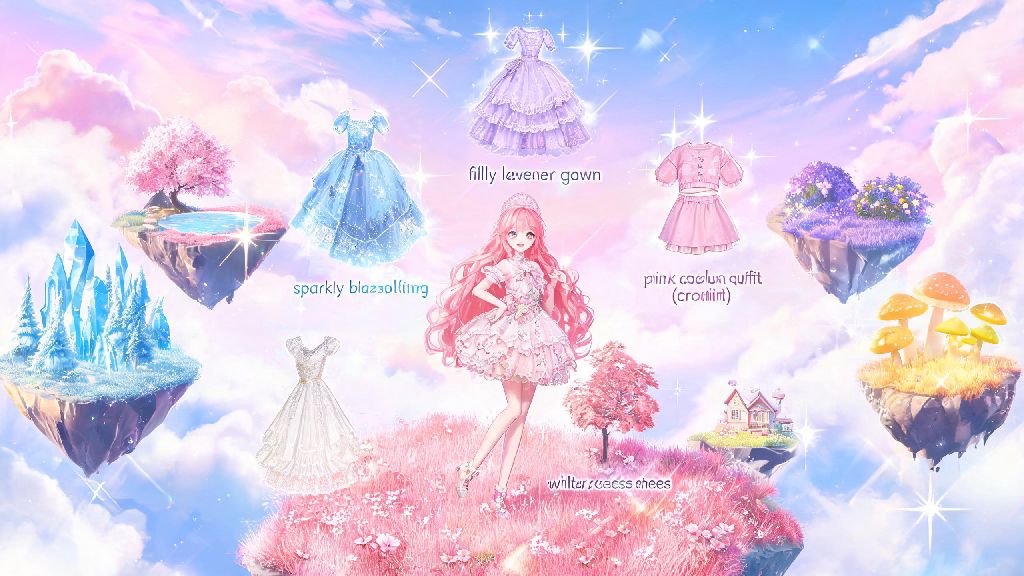
If you’ve scrolled gaming TikTok, Reddit forums, or your app store’s top game lists lately, you’ve almost certainly seen clips of Infinity Nikki’s whimsical floating islands, sparkly customizable outfits, and the iconic pink-haired protagonist at the center of it all. As the franchise’s first open world entry blows up across global markets, one question pops up again and again in comment sections and fan threads: is Infinity Nikki Chinese? I’ve followed the Nikki series for nearly 8 years, playing every entry from Love Nikki to Shining Nikki, and I’ve dug into all the official dev announcements, behind-the-scenes content, and in-game details to answer that question clearly, plus break down what the game’s origins mean for you as a player.
Is Infinity Nikki Chinese? Breaking Down the Game’s Core Origins
The short, straightforward answer is yes, Infinity Nikki is a fully Chinese-developed game. The entire franchise is created and owned by Papergames, a Shanghai-based independent game studio founded in 2013. The first Nikki game, Nikki Up2U, launched exclusively for Chinese mobile users in 2012, before the studio expanded to global releases with later entries in the series. I was actually in the audience for the first public Infinity Nikki reveal at ChinaJoy 2022 in Shanghai, and the entire presentation was led by the core Chinese dev team, who talked through years of concept work and technical testing to build the game’s open world engine. All core development, writing, character design, and gameplay programming happens at the studio’s Shanghai headquarters, with smaller support teams in other regions only handling localization and local marketing efforts. Papergames retains full creative control over every part of the game, so there’s no external western or Japanese studio leading development decisions. Even the global version’s content is first finalized by the Chinese core team before being translated for other markets.
Key Chinese Cultural Influences You’ll Notice in Infinity Nikki
One of the easiest ways to spot the game’s Chinese roots is to pay attention to the small, thoughtful details scattered across the open world and outfit collections. The dev team has stated in multiple interviews that they intentionally weave Chinese cultural references into the game to share parts of their culture with global players, without making them feel forced or out of place. Many of the game’s limited event outfits are tied directly to traditional Chinese festivals, from intricately embroidered Mid-Autumn Festival moon gowns to bright red Lunar New Year sets with golden cloud patterns. Even regular unlockable outfits often reference traditional Chinese clothing styles, including Hanfu, Tang dynasty court wear, and ethnic minority clothing from across China. If you’re new to Chinese culture, you might miss some of the more subtle references hidden in quests and world design:
Why There’s Confusion About Infinity Nikki’s Country of Origin
Given how obvious the cultural references are once you know what to look for, you might be wondering why so many players are unsure where the game comes from. There are a few really common reasons for that confusion. First, the game has a massive global release, with full dubs in 12 languages including English, Spanish, French, Japanese, and Korean, plus localized text for even more regions. Plenty of players mix the franchise up with Japanese dress-up games, since anime-inspired art styles are popular across all East Asian media markets, and the Nikki series’ art style shares some visual tropes with Japanese anime and games. The global marketing for Infinity Nikki also intentionally leads with gameplay hooks like open world exploration and dress-up customization, rather than highlighting its Chinese origins, to appeal to as wide an audience as possible. The Papergames team has said they want players to enjoy the game first, and discover the cultural details naturally as they play, rather than framing it as a “Chinese game” first and a fun dress-up game second. You’ll also find that a lot of fan content, from cosplay to TikTok edits, is shared by global fans without context about the game’s origins, so new players who stumble on that content first don’t have any reason to connect it to China right away. If you ever want to confirm for yourself, you can check the developer listing on any app store, which will always list Papergames as the creator, with its headquarters address in Shanghai.
What Its Chinese Roots Mean for Global Players
You don’t need to know anything about Chinese culture to enjoy Infinity Nikki, but understanding its origins does add a lot of fun context to your gameplay experience, and comes with a few unexpected perks for global players. For one, you get twice as many limited event rewards every year, since the event schedule includes both global holidays like Halloween and Christmas, and traditional Chinese holidays like the Dragon Boat Festival and Mid-Autumn Festival. The dev team also regularly solicits feedback from global players to adjust content that might not land well in other regions, without erasing the game’s core cultural identity. Last year, for example, they added short explanatory pop-ups to a quest line tied to a lesser-known Chinese folk tale, so players who didn’t grow up hearing the story could still understand the quest’s emotional beats. There’s no region-locked content for global servers, either. Every outfit, quest, and event that launches on the Chinese server will come to global servers a few months later, with no cuts or changes to the core content. The only differences between servers are language settings and minor event timing adjustments to fit local holiday schedules. You don’t need to be familiar with Chinese culture to enjoy the game, but taking the time to look up references you don’t recognize makes the experience even more rewarding. I’ve learned so much about lesser-known Chinese festivals and clothing styles just by looking up the backstories of outfits I unlock, and it’s made me feel more connected to the dev team’s vision for the game.
So to circle back to the question that brought you here: is Infinity Nikki Chinese? Yes, it’s fully developed, owned, and led by the Chinese studio Papergames, with deep cultural roots that make it stand out from every other dress-up game on the market right now. It’s really exciting to see a game made by Chinese developers find such a huge global audience, while staying true to the cultural references that make the series so special to long-time fans like me. Next time you log on to play, keep an eye out for those little cultural Easter eggs — you might even find a new tradition or clothing style you want to learn more about.